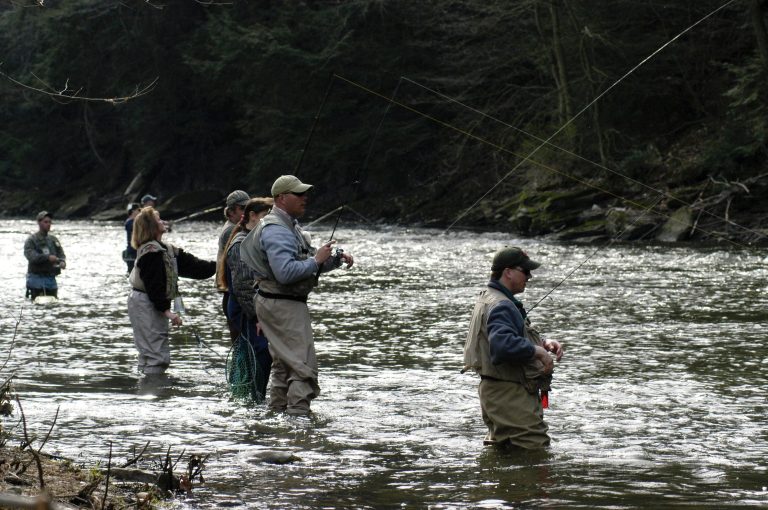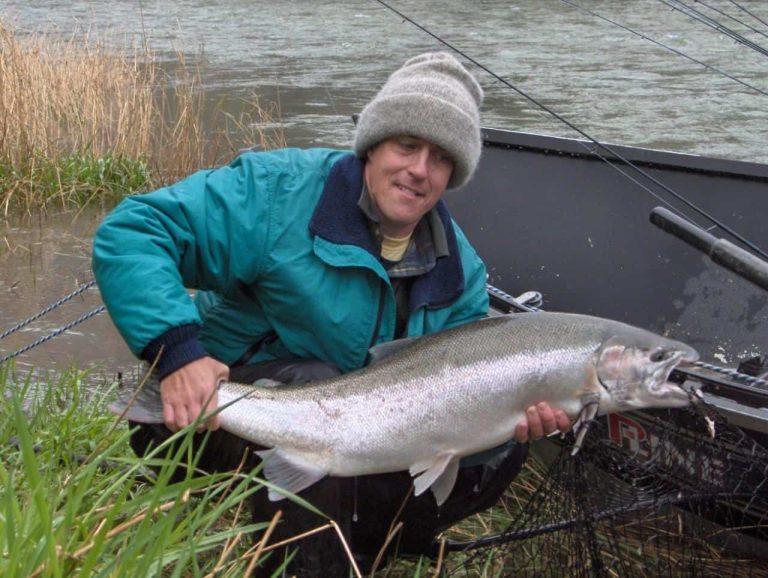

Kansas may not be the first state that comes to mind for fishing, but it should be. With over 100,000 surface acres of public reservoirs, 24 state fishing lakes, and the world-class flint hills region streams, Kansas produces trophy largemouth bass, massive flathead catfish, and excellent walleye and wiper fishing. Plus, KDWP stocks trout in over 30 locations each winter.
Here’s everything you need to know to get your Kansas fishing license in 2026.
Source: Kansas Department of Wildlife and Parks (KDWP), updated for 2026 fishing season.
Who Needs a Fishing License in Kansas?
Residents aged 16 through 74 and non-residents aged 16 and older must have a valid fishing license to fish in Kansas public waters.
Exemptions (No License Required)
- Children under 16 — no license or permits needed
- Kansas residents 75 years old and older — completely exempt
- Anglers fishing during Free Fishing Days (see below)
- Residents of licensed care facilities for persons with intellectual or developmental disabilities
Important: Even exempt anglers must follow all creel limits, length limits, and other regulations.
Step-by-Step: How to Get a Kansas Fishing License
Step 1: Determine Your Residency Status
Kansas Resident: You must be a bona fide resident of Kansas with a valid Kansas driver’s license or state ID. Military personnel stationed in Kansas qualify for resident pricing.
Non-Resident: Anyone who does not meet the residency criteria above.
Step 2: Choose Your License Type
Resident Licenses
| License Type | Cost | Duration |
|---|---|---|
| Annual Fishing | $27.50 | 365 days from purchase |
| Senior Fishing (65–74) | $15.00 | 365 days from purchase |
| Youth Multi-Year Fishing (16–20) | $42.50 | Valid until Dec 31 of year you turn 21 |
| 5-Year Fishing | $102.50 | 5 years from purchase |
| 1-Day Fishing | $6.00 | 1 day |
Non-Resident Licenses
| License Type | Cost | Duration |
|---|---|---|
| Annual Fishing | $77.50 | 365 days from purchase |
| 5-Day Fishing | $27.50 | 5 consecutive days |
| 1-Day Fishing | $12.50 | 1 day |
Trout Permit (Add-On)
| Trout Permit | Cost |
|---|---|
| Adult Trout Permit (16+) | $20.00 |
| Youth Trout Permit (15 and under) | $7.00 |
Source: KDWP, current as of March 2026. Most Kansas licenses are valid for 365 days from the date of purchase — not on a calendar-year basis.
Step 3: Add Trout Permit If Needed
Kansas has a seasonal trout stocking program (typically December 1 – March 31). If you plan to fish in designated trout waters, you need the Trout Permit:
- Type 1 trout waters: Trout permit required for ALL anglers regardless of target species
- Type 2 trout waters: Trout permit required only if specifically targeting or possessing trout
The trout permit is valid for 365 days from purchase — it doesn’t expire at the end of trout season.
Step 4: Purchase Your License
Option 1: Online (Recommended)
Visit ksoutdoors.com — available 24/7. Print or save digitally.
Option 2: In Person
- KDWP offices across Kansas
- Authorized license agents — Walmart, sporting goods stores, bait shops, convenience stores
Option 3: By Phone
Call KDWP’s licensing line during business hours.
Step 5: Carry Your License
You must carry your fishing license on your person while fishing and present it to any conservation officer upon request. Digital licenses are accepted.
Kansas License Validity — 365-Day System
Unlike most states that use calendar-year or fiscal-year licensing, Kansas licenses are valid for 365 days from the date of purchase. This means:
- A license purchased on July 15, 2026 expires July 14, 2027
- There’s no “best time to buy” — you always get a full year
- No wasted days at the end of a license year
This is one of the fairest systems in the country for anglers.
Kansas Free Fishing Days 2026
KDWP has announced that 2026 Free Fishing Days are Saturday, June 6 and Sunday, June 7, 2026.
During free fishing days:
- No fishing license required
- No trout permit required
- All creel limits, length limits, and other regulations remain in effect
- Open to residents and non-residents
Where to Fish in Kansas
Top Reservoirs
| Water | Location | Key Species |
|---|---|---|
| Milford Reservoir | Junction City | Walleye, white bass, wiper |
| El Dorado Reservoir | El Dorado | Walleye, largemouth bass, crappie |
| Clinton Reservoir | Lawrence | Largemouth bass, crappie, catfish |
| Cheney Reservoir | Wichita area | Walleye, wiper, white bass |
| Glen Elder Reservoir | North-Central KS | Walleye, wiper, smallmouth bass |
State Fishing Lakes
KDWP manages 24 state fishing lakes — smaller, well-managed waters excellent for panfish, bass, and catfish. Popular options include:
- Leavenworth State Fishing Lake
- Scott State Fishing Lake
- Clark State Fishing Lake
Trout Waters
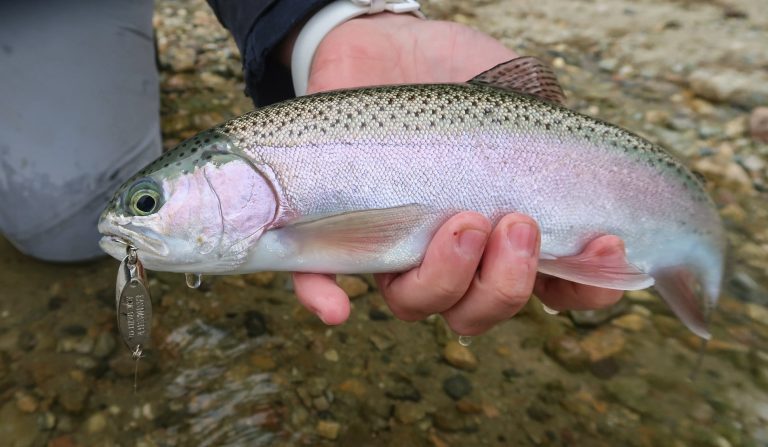
Kansas stocks rainbow trout in 30+ locations across the state from December through March. Top spots include:
- Lake Shawnee (Topeka)
- Mined Land Wildlife Area (Crawford County)
- Tuttle Creek Lake (Manhattan area)
- Various KDWP community fishing lakes
Rivers and Streams
- Arkansas River: Channel catfish, flathead catfish
- Kansas (Kaw) River: Flathead catfish, blue catfish
- Flint Hills streams: Smallmouth bass, spotted bass (some of the best stream fishing in the Plains)
Kansas Fishing Regulations Quick Reference
| Regulation | Details |
|---|---|
| Largemouth bass daily limit | 5 fish (varies by lake — check KDWP rules) |
| Walleye/saugeye daily limit | 5 fish (varies by lake) |
| Channel catfish daily limit | 10 fish |
| Flathead catfish daily limit | 5 fish |
| Crappie daily limit | 50 fish (statewide default) |
| Wiper daily limit | 2 fish (most reservoirs) |
| Trout daily limit | 5 fish (in designated trout waters) |
| Lines allowed | 2 rods (hand lines and trotlines also allowed with restrictions) |
Note: Kansas creel limits are among the most generous in the nation — 50 crappie per day is the statewide default, though some lakes have special limits.
Penalties for Fishing Without a License
| Violation | Penalty |
|---|---|
| Fishing without a valid license | Fine up to $500 + court costs |
| Fishing without trout permit in Type 1 waters | Additional citation |
| Exceeding creel or length limits | Fine + potential license revocation |
Frequently Asked Questions
How much is a Kansas fishing license?
Residents pay $27.50 per year. Non-residents pay $77.50. A 1-day license costs $6.00 (resident) or $12.50 (non-resident).
Do Kansas residents over 75 need a fishing license?
No. Kansas residents 75 and older are completely exempt from needing a fishing license.
When does my Kansas fishing license expire?
Kansas licenses are valid for 365 days from the date of purchase — not on a calendar-year basis. There’s no fixed expiration date for everyone.
Do I need a trout permit in Kansas?
Yes, if fishing in designated trout waters. The adult trout permit costs $20.00 and is valid for 365 days. In Type 1 trout waters, the permit is required regardless of target species. In Type 2 waters, it’s only needed if you’re specifically fishing for or possessing trout.
When are Kansas free fishing days?
Saturday, June 6 and Sunday, June 7, 2026. No license or trout permit required, but all other regulations apply.
Related Resources
Ice Fishing License Requirements in Northern States
How Much Is a Fishing License in Kansas?
Senior Fishing Privileges: Age-Based Discounts Nationwide
Lifetime Fishing License ROI: When Does It Make Financial Sense?